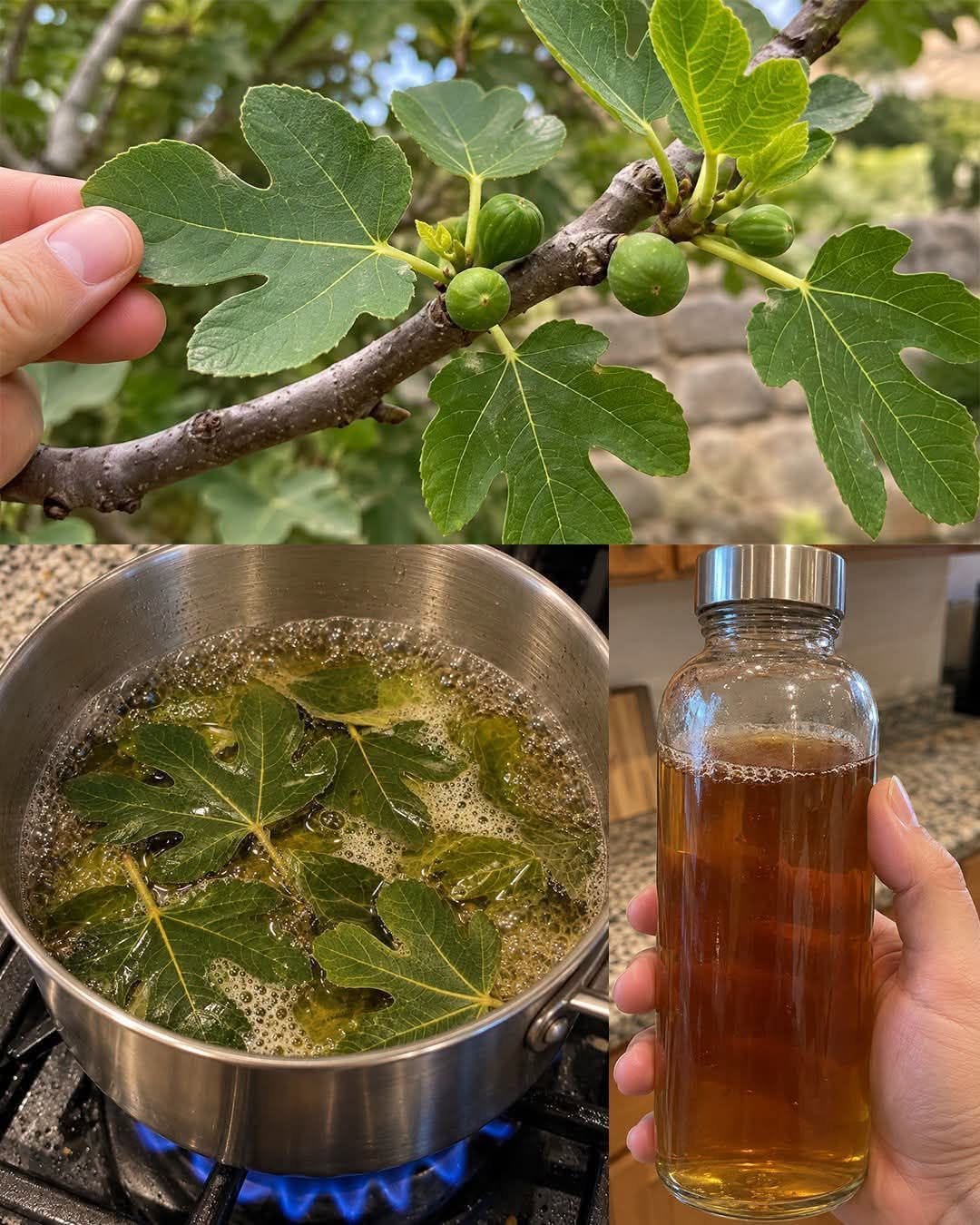
When people think of fig trees, they usually imagine the sweet, nutritious fruit. However, fig leaves have also been used in traditional practices for generations. These large, distinctive leaves have attracted scientific interest because they contain plant compounds that may have antioxidant and other biological properties.
But can fig leaves really help with blood sugar, digestion, and overall health? Let’s explore their traditional uses, potential benefits, and important safety considerations.
1. Fig Leaves and Blood Sugar Management
One of the most frequently discussed traditional uses of fig leaves is their potential role in blood sugar management.
Some preliminary research, including small human studies, has investigated whether fig leaf preparations may influence blood glucose levels. However, the available evidence is limited, and more rigorous research is needed to establish their effectiveness and safety for people with diabetes.
Important: Fig leaves are not a cure for diabetes and should never replace prescribed medication, insulin, or a clinician-recommended treatment plan. Because they may affect blood sugar, using fig leaf products alongside diabetes medication could increase the risk of hypoglycemia.
2. They Contain Antioxidant Plant Compounds
Fig leaves contain various plant compounds, including polyphenols and flavonoids. These substances have antioxidant activity in laboratory studies.
Antioxidants help protect cells from oxidative damage. However, laboratory findings do not automatically mean that drinking fig leaf tea or applying fig leaves produces the same benefits in humans.
Eating a varied diet rich in vegetables, fruits, legumes, nuts, and whole grains remains a well-established way to obtain beneficial plant compounds.
3. Fig Leaves and Digestive Health
Traditional practices sometimes use fig leaves in herbal preparations intended to support digestion. Nevertheless, there is not enough reliable human evidence to conclude that fig leaf tea treats constipation, bloating, stomach pain, or other digestive conditions.
For everyday digestive health, drinking enough water, gradually increasing dietary fiber, and eating a balanced diet are more dependable strategies.
Anyone experiencing persistent abdominal pain, unexplained weight loss, blood in the stool, or ongoing digestive problems should seek medical advice rather than relying on herbal remedies.
4. Potential Support for Heart Health
For Complete Cooking STEPS Please Head On Over To Next Page Or Open button (>)