Researchers have investigated compounds found in fig leaves for their possible effects on cholesterol and other markers of metabolic health. Some early findings are promising, but much of the evidence comes from laboratory or animal studies.
It is not yet established that consuming fig leaves reduces the risk of heart attacks, strokes, or cardiovascular disease in humans.
For heart health, focus on regular physical activity, a balanced diet, avoiding tobacco, and managing blood pressure and cholesterol with appropriate medical guidance.
5. Fig Leaves and Skin Care
Fig leaves and their extracts have traditional uses in skin care, but they require caution.
The milky sap from fig plants contains substances that can irritate the skin and may cause a reaction known as phytophotodermatitis when the affected skin is exposed to sunlight. This can lead to redness, painful inflammation, and blistering.
For this reason, fresh fig leaves and their sap should not be applied casually to the skin, particularly before going outdoors. Seek medical advice before using fig leaf products to treat a skin condition.
6. How Are Fig Leaves Traditionally Prepared?
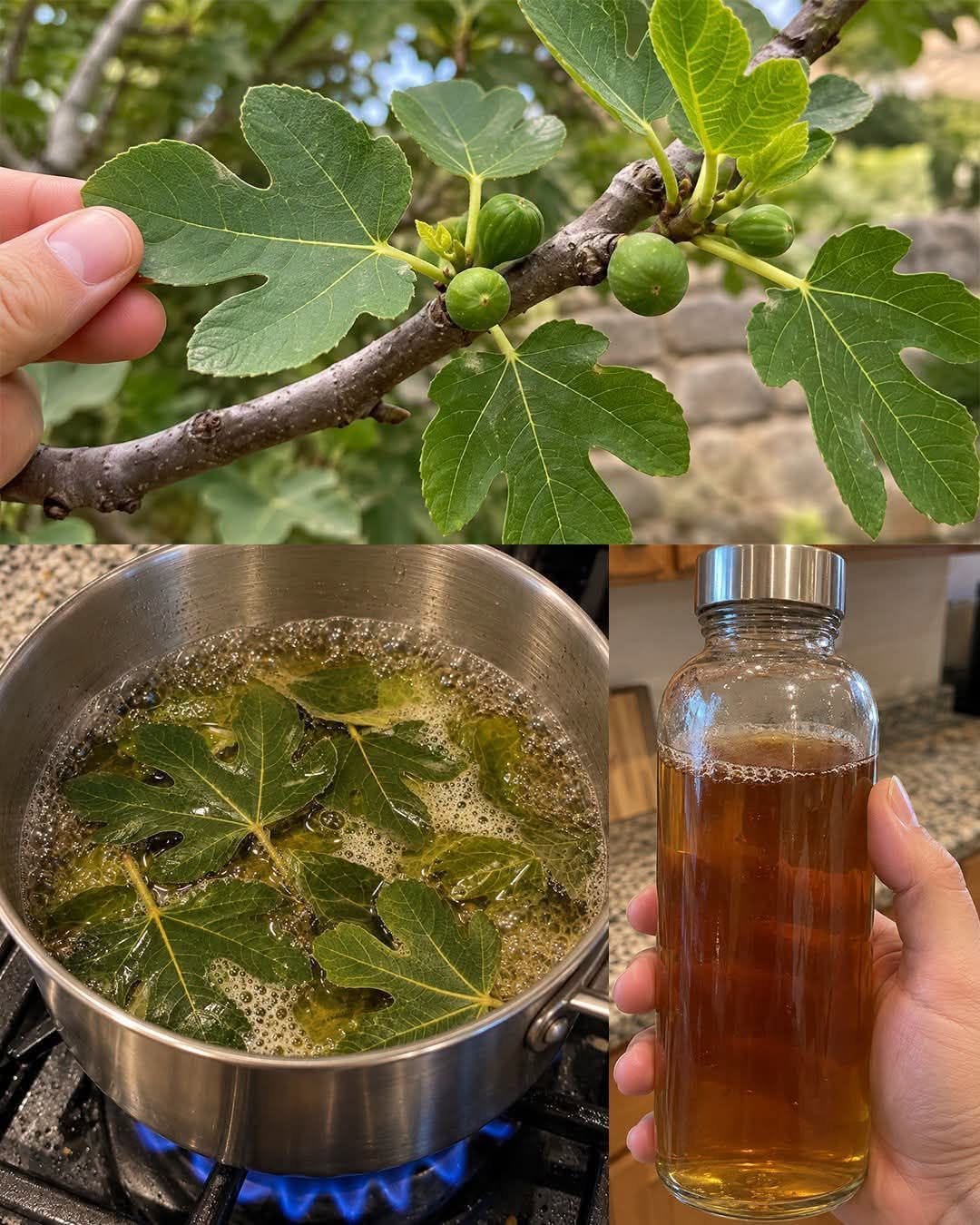
Fig leaves have sometimes been prepared as herbal infusions or used in cooking in certain culinary traditions. However, there is no universally established medicinal dose, and the safety of regular consumption for therapeutic purposes has not been adequately studied.
If you are interested in using fig leaves as food, choose correctly identified, clean leaves from a source suitable for culinary use. Avoid leaves treated with pesticides, and do not assume that a homemade herbal preparation is safe simply because it is natural.
People who are pregnant or breastfeeding, those taking medication for diabetes, and individuals with significant medical conditions should consult a healthcare professional before consuming fig leaf preparations for medicinal purposes.
7. Fig Leaves Are Not a Replacement for Medical Treatment
Natural remedies are often appealing because they come from familiar plants. However, a plant’s traditional use does not prove that it can prevent or treat a disease.
If you have diabetes, regular blood glucose monitoring, appropriate medication, balanced meals, and professional medical care remain essential. Never stop or reduce prescribed treatment because of claims about fig leaves or other herbal remedies.
Final Thoughts
Fig leaves are an interesting part of traditional plant knowledge and contain compounds that scientists continue to investigate. Preliminary research suggests several possible areas of interest, including antioxidant activity and blood sugar regulation, but strong clinical evidence supporting medicinal benefits remains limited.
The safest approach is to appreciate fig leaves as part of botanical and culinary traditions while treating claims about healing with caution. For diabetes, digestive problems, or other medical conditions, evidence-based care remains the most reliable choice.
Disclaimer: This article is for educational purposes only and is not a substitute for professional medical advice, diagnosis, or treatment.
For Complete Cooking STEPS Please Head On Over To Next Page Or Open button (>)