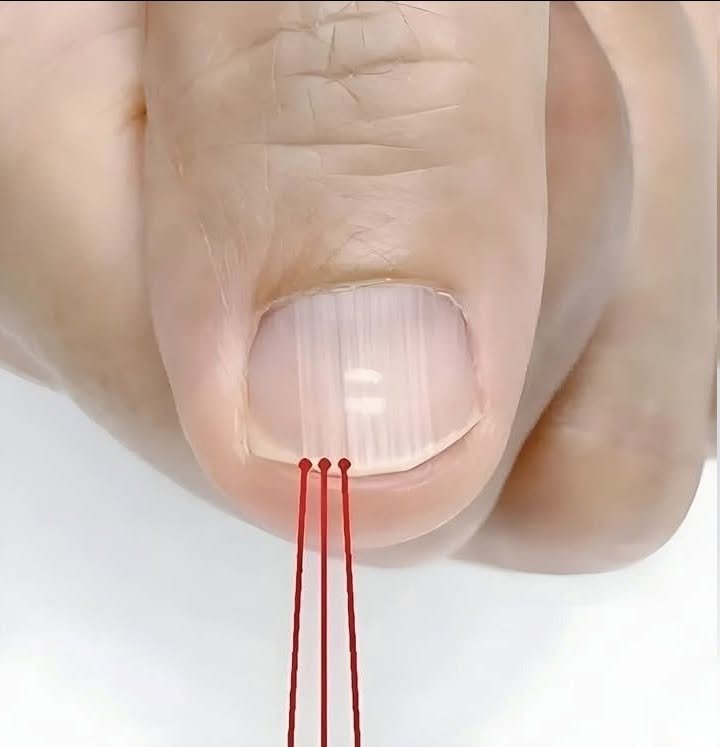
Vitamin B12 and other nutrients are important for normal body function, including healthy tissue growth. Certain deficiencies may produce changes in the nails or surrounding tissues.
Nevertheless, vertical ridges are common in otherwise healthy people, and their presence does not establish that you lack a particular vitamin.
Eating a varied diet that includes protein, vegetables, fruits, whole grains, and appropriate sources of essential vitamins and minerals supports overall health.
If a deficiency is suspected because of your symptoms, dietary history, or medical background, a clinician can help determine whether testing is appropriate.
Should You Take Biotin for Nail Ridges?
Biotin is a B vitamin often marketed in supplements for hair and nail health.
Some evidence suggests that biotin may help certain people with brittle nails, but the evidence is limited, and it is not a proven treatment for ordinary age-related vertical ridges.
High-dose biotin can also interfere with some laboratory tests, potentially producing misleading results. Always tell your healthcare professional about supplements you take, particularly before blood testing.
For most people, the best first step is to identify the cause of the nail changes rather than automatically purchasing supplements.
Can Medical Conditions Cause Vertical Fingernail Ridges?
Yes, certain health conditions can affect nail appearance. However, the pattern of the change and any accompanying symptoms are usually more informative than vertical ridges alone.
Thyroid Disorders
Thyroid conditions can sometimes affect nail growth and texture. Some people experience brittle nails or nails that grow more slowly.
Other possible symptoms depend on whether the thyroid is underactive or overactive and may include changes in energy, temperature tolerance, weight, heart rate, or bowel habits.
Vertical ridges by themselves are not enough to identify a thyroid problem. If nail changes occur alongside persistent unexplained symptoms, a healthcare professional can decide whether thyroid testing is appropriate.
Skin Conditions Such as Eczema or Psoriasis
Skin conditions can affect the tissues around the nails and the nail matrix itself.
Psoriasis, for example, may cause small pits, discoloration, thickening, separation of the nail from the nail bed, or other changes. Eczema and inflammation around the cuticles can also interfere with healthy nail growth.
If your nails become rough, pitted, discolored, or separated from the surrounding tissue, particularly when you also have skin symptoms, consider seeking medical advice.
Other Health Problems
Some systemic illnesses can cause changes in nail growth, color, thickness, or shape. These changes vary considerably and are not necessarily related to ordinary vertical ridges.
A clinician may consider your overall health, medications, medical history, and other symptoms before deciding whether any investigations are needed.
The key point is that nail appearance can provide useful clues, but it cannot replace a proper medical evaluation.
Vertical Ridges Versus Horizontal Ridges: What Is the Difference?
Not all nail ridges are the same.
Vertical ridges run from the cuticle toward the free edge of the nail. They are common and often become more noticeable with age.
Horizontal grooves run across the nail from one side to the other. Deep horizontal grooves are sometimes called Beau’s lines and can occur when nail growth temporarily slows or stops.
Possible triggers include a significant illness, physical stress, certain treatments, or injury affecting the nail matrix.
Because fingernails grow slowly, a horizontal groove may become visible weeks after the event that caused it.
A single shallow line is not necessarily a cause for alarm. However, pronounced horizontal grooves affecting several nails, especially following illness or alongside other symptoms, may deserve medical assessment.
When Should You Be Concerned About Nail Ridges?
Most fine vertical ridges do not require treatment. Nevertheless, some changes should not be dismissed as ordinary aging.
Consider arranging a medical assessment if you notice any of the following:
- A sudden or unexplained change in the texture or shape of your nails.
- New ridges that are becoming progressively more pronounced.
- Nails that split, break, or crumble repeatedly without an obvious explanation.
- Persistent pain, swelling, redness, or bleeding around a nail.
- Nail discoloration that does not grow out normally.
- Nails that become unusually thick, lift away from the nail bed, or develop substantial changes in shape.
- Unusual nail changes accompanied by persistent fatigue or other unexplained symptoms.
Pay particular attention to a new dark brown or black stripe affecting a single nail. Although many nail pigment changes have harmless explanations, a new or changing dark band can occasionally be a sign of melanoma of the nail unit. It should be assessed promptly by a healthcare professional, especially if the pigment spreads onto the surrounding skin.
Seek urgent medical advice for rapidly worsening pain, spreading redness, significant swelling, or signs of infection.
How to Keep Your Fingernails Healthy After 40
Although you cannot always prevent natural changes in nail texture, a few simple habits can help your nails remain stronger and more comfortable.
1. Moisturize Your Nails and Cuticles
Apply a thick hand cream or ointment after washing your hands and before going to bed.
Products containing ingredients such as petrolatum or glycerin can help reduce moisture loss and protect dry skin. Gently massage the moisturizer over the nail plate and surrounding cuticles.
Regular moisturizing may reduce brittleness and make ridges less noticeable, particularly when dryness is contributing to their appearance.
2. Protect Your Hands During Household Work
Water, detergents, and cleaning chemicals can weaken nails when exposure is frequent.
Wear suitable protective gloves when washing dishes, cleaning, gardening, or handling irritating products.
After removing the gloves, dry your hands thoroughly and apply moisturizer.
3. Avoid Aggressive Nail Treatments
Repeated buffing may temporarily make ridges less visible, but excessive buffing can thin the nail plate and increase the risk of damage.
Avoid cutting or aggressively pushing back the cuticles, as this can injure the tissues that protect the growing nail.
If you use gel polish or acrylic nails, take breaks when your nails become brittle or irritated.
4. Trim Your Nails Carefully
Keep your nails at a comfortable length and use clean nail clippers or scissors.
Trim them carefully and smooth rough edges with a nail file. Avoid tearing or peeling nails, as this can cause additional splitting.
If your nails are brittle, trimming them after a shower or after briefly soaking them in water may make them easier to manage. Dry them gently afterward and moisturize.
5. Eat a Balanced Diet
Healthy nail growth depends on adequate nutrition.
Include a variety of protein sources, vegetables, fruit, whole grains, and foods that provide iron, zinc, and essential vitamins.
Examples include eggs, beans, lentils, fish, nuts, leafy greens, and lean meats, depending on your dietary preferences.
Supplements are not automatically necessary. If your diet is restricted or you have symptoms suggesting a deficiency, ask a healthcare professional whether nutritional assessment would be useful.
6. Give Your Nails Time to Grow
Fingernails grow slowly, and changes in the nail plate generally cannot disappear overnight.
If damage occurs near the nail matrix, it may take several months for the affected portion to grow out. A complete fingernail can take roughly four to six months to grow from base to tip, although the timing varies between individuals.
Consistent care and patience are therefore more useful than expecting immediate results from a nail treatment.
Can You Get Rid of Vertical Nail Ridges Completely?
The answer depends on what is causing them.
If dryness, repeated trauma, or an underlying condition contributes to the ridges, addressing that factor may improve the appearance of newly growing nail.
However, naturally occurring ridges associated with aging may remain visible even when the nails are healthy.
There is no guaranteed cream, oil, vitamin, or home remedy that removes every type of vertical ridge.
Be cautious of products promising to reverse aging or cure nail abnormalities overnight. A product that moisturizes the nail may improve its appearance, but it does not necessarily change the way the nail matrix produces the nail plate.
If the ridges are mild and stable, gentle care is generally a reasonable approach. If they are new, severe, or accompanied by other abnormalities, identifying the cause is more important than trying to hide them.
Frequently Asked Questions
Are Vertical Fingernail Ridges Normal After 40?
Yes. Vertical ridges are common and may become more noticeable with age. If they develop gradually and there are no other unusual changes, they are often harmless.
Do Vertical Ridges Mean I Have a Vitamin Deficiency?
Not necessarily. Many healthy people have vertical ridges. A nutritional deficiency may affect nail health, but ridges alone cannot identify which nutrient, if any, is lacking.
Can Drinking More Water Remove Nail Ridges?
Staying adequately hydrated supports general health, but drinking extra water will not necessarily eliminate vertical ridges. If your nails are dry, applying moisturizer directly to the nails and surrounding skin may be more helpful.
Should I Buff My Nails to Make Them Smooth?
Occasional gentle buffing may reduce the appearance of superficial ridges, but frequent or aggressive buffing can thin and weaken the nails. Moisturizing and protecting the nail plate are usually safer first steps.
Do Nail Ridges Mean I Am Getting Sick?
Usually, no. Vertical ridges alone are not a dependable indicator of illness. New changes accompanied by pain, discoloration, unusual thickening, or other symptoms deserve closer attention.
How Long Does It Take for a Nail to Grow Out?
A fingernail generally takes around four to six months to grow from the base to the tip. The exact rate depends on age, individual growth patterns, and other factors.
Final Thoughts: Your Fingernails Deserve Attention, Not Panic
Noticing vertical ridges on your fingernails after 40 can make you wonder whether your body is signaling a hidden problem. In many cases, these lines are simply a normal part of aging, made more noticeable by dryness, everyday wear, or repeated minor trauma.
Still, it is worth paying attention to changes in your nails, particularly when they appear suddenly or occur alongside pain, unusual discoloration, or other symptoms.
The best approach is simple: protect your hands, moisturize regularly, eat a balanced diet, avoid damaging nail treatments, and seek medical advice when a change seems unusual or persistent.
Your fingernails cannot diagnose your overall health, but noticing changes can be one useful part of taking care of yourself.
Have you noticed vertical ridges on your fingernails as you’ve gotten older? Share your experience in the comments below. Your story may help someone else understand that common nail changes are often harmless while learning which warning signs deserve attention.
Health note: This article is intended for general educational purposes and is not a substitute for professional medical advice, diagnosis, or treatment.
For Complete Cooking STEPS Please Head On Over To Next Page Or Open button (>)