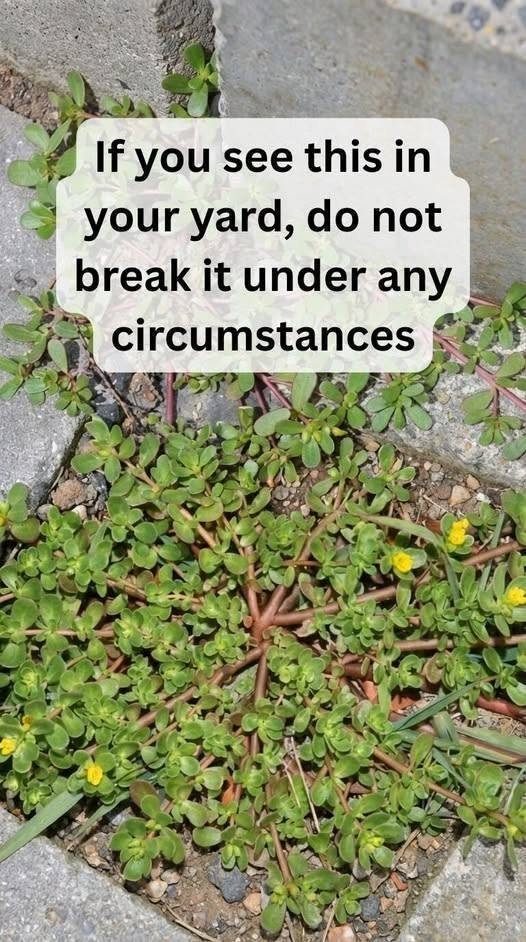
Look for these characteristic features:
- Leaves: Small, smooth, fleshy, and oval-shaped.
- Stems: Thick, smooth, and often reddish or pinkish.
- Flowers: Tiny yellow flowers that usually open in sunny conditions.
- Growth pattern: Spreads close to the ground, forming a mat.
- Growing environment: Commonly appears in gardens, vegetable beds, and cracks in pavement.
These features can help narrow down the identification, but a photograph alone is not enough to establish that a wild plant is safe to eat. Some plants can look similar. <Cite refs={[“turn626701search4″,”turn626701search10”]}/>
How Is Purslane Used in Cooking?
When correctly identified and grown in suitable conditions, purslane can be used in several dishes.
Fresh Purslane Salad
Combine clean purslane leaves with chopped tomatoes, cucumber, olive oil, lemon juice, and a pinch of salt for a simple salad.
Cooked Purslane With Garlic
Gently sauté the leaves and tender stems with olive oil and garlic. Add lemon juice at the end for extra freshness.
Purslane in Soups and Stews
Add chopped purslane to vegetable soups or stews. Its texture softens during cooking and can help thicken the dish.
Wash all produce thoroughly before use, and never eat a wild plant unless its identity has been reliably confirmed.
Important Safety Tips
Not every small green plant with reddish stems is purslane. Some look-alikes, including certain spurges, can be harmful. Avoid tasting an unidentified plant to determine what it is.
Only consider eating a plant when its identification is certain and it has grown in an area free from potentially harmful pesticides, herbicides, and other contamination. People who are prone to calcium-oxalate kidney stones should also seek appropriate dietary advice before eating purslane regularly. <Cite refs={[“turn626701search14″,”turn626701search5”]}/>
Should You Remove Purslane From Your Yard?
If you don’t want purslane growing in your garden, you can remove it by pulling it out carefully, including the roots. Do this before it produces mature seeds to help limit further spread.
Be aware that pieces of the plant can sometimes take root when they contact the soil, so avoid leaving broken stems on damp ground. <Cite refs={[“turn626701search2″,”turn626701search11”]}/>
If you enjoy growing edible plants, you may prefer to keep a confirmed, pesticide-free patch in a designated area rather than allowing it to spread throughout your garden.
Final Thoughts
Common purslane is an interesting example of how a plant that many people call a weed can also have culinary uses. Its fleshy leaves, reddish stems, and tiny yellow flowers make it distinctive, but proper identification is essential before using any wild plant as food.
The next time you spot a similar plant in your yard, take a closer look, learn about its characteristics, and make an informed decision about how to manage it.
For Complete Cooking STEPS Please Head On Over To Next Page Or Open button (>)